


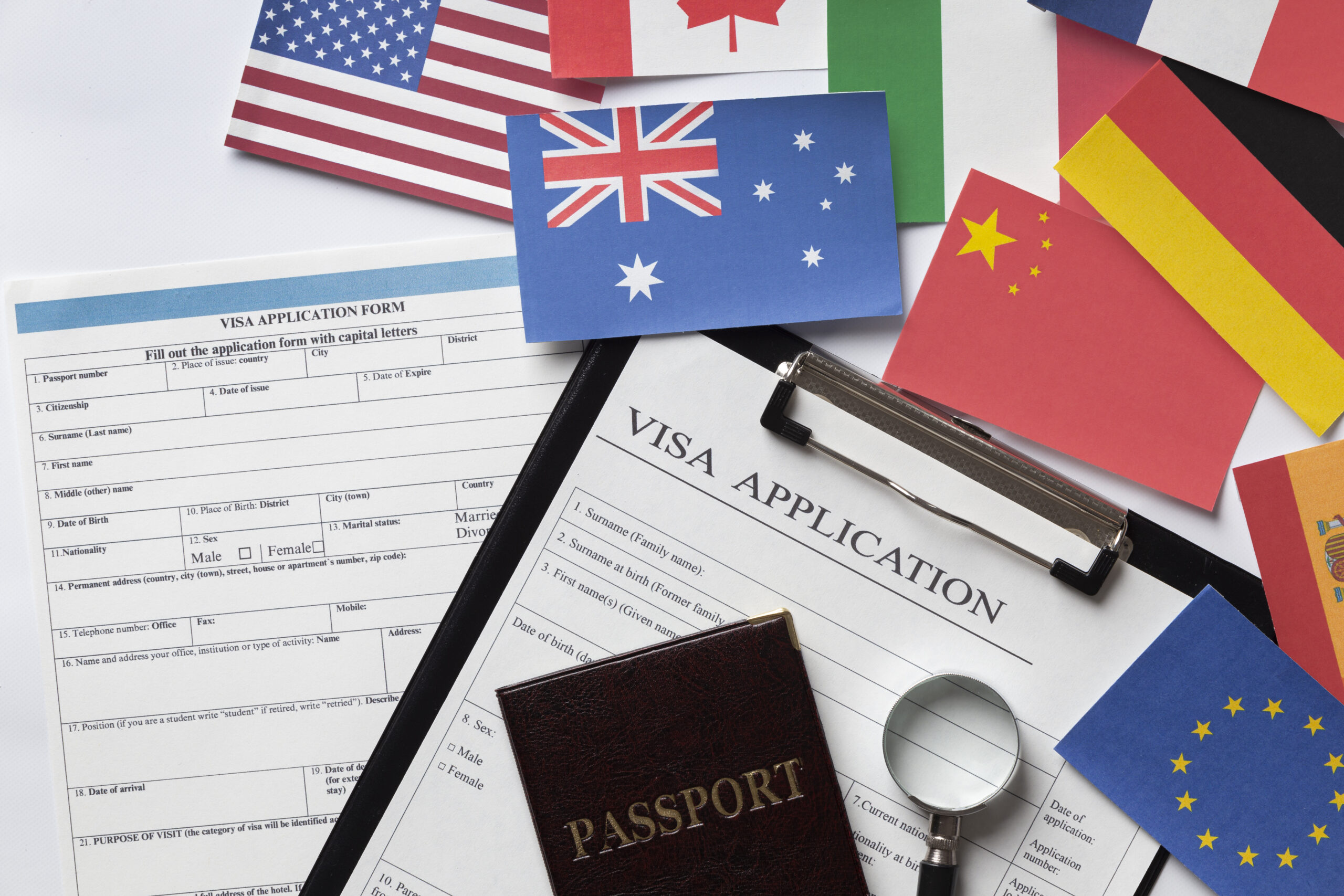
Holding two passports can mean greater freedom, stronger family connections and more opportunities across borders. It’s no surprise that one of the most common questions for migrants and expats is: Does Australia offer dual citizenship?
The answer is yes. Since 2002, Australians have been able to hold dual nationality without giving up their original citizenship. This opens the door to smoother travel, career flexibility and the chance to embrace Australian life while keeping ties to your first homeland.
Considering dual citizenship? Here’s what you need to know about the rules, benefits and requirements.
Does Australia Offer Dual Citizenship? A Brief Answer
Yes, Australia does allow dual citizenship, and it has done so since April 2002, when reforms to the Australian Citizenship Act came into effect. This means Australians no longer have to choose between their heritage and their adopted country.
If you are born in Australia with parents from another nation, born overseas to Australian parents or you become an Australian through naturalisation, you may hold dual nationality.
However, the laws of the other country matter as well, since not all nations accept dual citizenship. Australia’s approach gives families and individuals the flexibility to maintain connections across borders while enjoying the rights of full Australian citizens.
Get Expert Help with Dual Citizenship from Best Immigration Lawyers in Sydney
If you are in Sydney and unsure about your path to dual citizenship in Australia, our team at Best Immigration Lawyers is here to guide you with clarity and confidence. We understand the complexities of Australian law and how it interacts with the rules of other countries, so you don’t have to face it alone. Our experienced immigration lawyers specialise in helping clients protect their rights, whether you’re applying by birth, descent or naturalisation.
We proudly serve clients across Australia, including NSW, VIC and QLD, making professional legal support accessible wherever you are. Choosing the right legal partner can save time, reduce stress and help you avoid costly mistakes. Let us handle the details while you focus on your future.
Call us today on 0292830888 or fill out our contact form to start your dual citizenship journey with trusted experts by your side.
What Is Dual Citizenship?
Dual citizenship means a person is legally recognised as a citizen of two countries at the same time. This status grants equal rights and protections under the laws of both nations. For example, you can carry two passports, enjoy freedom of travel between the two countries and access government services in each.
However, not every country recognises or allows dual nationality. Some nations require individuals to renounce their original citizenship if they adopt another. Australia’s decision to allow dual citizenship reflects a commitment to inclusivity, recognising the diverse backgrounds of its citizens and the global ties that many Australians maintain.
How Can an Australian Hold Dual Citizenship?
Australians can become dual citizens through a range of pathways. The most common include birth, descent or naturalisation. Each pathway depends on a person’s family background, birthplace or decision to migrate and integrate.
What makes the Australian framework unique is its acceptance of different life stories. Whether you are a child born into a multicultural family, someone living abroad with Australian roots or a migrant who chooses to make Australia home, the law recognises and protects your dual nationality.
By Birth
If a child is born in Australia to at least one parent from another country, they may be entitled to citizenship in both nations. This depends on the foreign country’s laws, as some grant nationality through bloodline, regardless of birthplace. In this situation, the child can legally hold both passports and enjoy the privileges attached.
This is one of the simplest ways of becoming a dual citizen, as no formal application process is required beyond registering the child’s details with both governments. Families in multicultural households often find this pathway the most natural and seamless.
By Descent
Children born overseas to Australian parents can claim citizenship by descent. The process involves registering with the Department of Home Affairs and providing evidence of the parents’ Australian nationality. Many Australians living abroad use this pathway to ensure their children maintain strong ties to their homeland.
This recognition ensures families remain connected to Australia, even while living overseas. It also means children have the option to return, live and work in Australia as citizens later in life.
By Naturalisation
Migrants who move to Australia and meet the residency requirements can apply for citizenship by conferral. This pathway allows individuals to integrate fully into Australian life without losing their original nationality, provided their home country recognises dual citizenship.
The naturalisation process is one of the strongest signals of Australia’s openness to global talent. It provides a bridge for people who wish to make Australia their permanent home while still maintaining ties to their country of origin.
Benefits of Dual Citizenship in Australia
Holding dual citizenship in Australia comes with unique advantages. It strengthens personal freedom, economic opportunities and cultural ties. Here are some of the key benefits explained in detail.
- Freedom to Live and Work: Dual citizens can live, work or study in both countries without restrictions. This opens doors for international careers and education, making mobility simple and stress-free.
- Access to Social Benefits: As an Australian, you gain access to Medicare, education support and retirement benefits. At the same time, you may retain similar rights in your other country of citizenship, doubling your social safety net.
- Two Passports for Greater Travel Freedom: With dual nationality, you can carry two passports. This often reduces visa requirements, speeds up travel and provides a greater sense of security abroad.
- Property Ownership: Some countries restrict property ownership for foreigners. Dual citizenship ensures you have full rights to buy, sell or inherit property in both countries.
- Cultural and Family Connections: Dual nationality allows families to stay closer across borders. It strengthens cultural identity and makes visiting relatives or returning to ancestral roots much easier.
- Expanded Opportunities for Children: Children who inherit dual citizenship enjoy expanded choices for education, work and residence later in life. This gives them a valuable advantage in a globalised world.
How to Apply for Australian Citizenship
Applying for Australian citizenship requires meeting certain eligibility standards and completing a structured process. Here is a step-by-step overview.
- Check Eligibility: You must be a permanent resident, meet residency requirements and be of good character.
- Prepare Documents: Gather proof of identity, residence and any supporting evidence.
- Lodge Application: Submit your application online with the Department of Home Affairs.
- Pay Fees: Pay the required processing fees.
- Take the Citizenship Test: If you are between 18 and 59, you will need to pass a test on Australian values and responsibilities.
- Attend an Interview or Ceremony: Once approved, you will be invited to attend a citizenship ceremony where you pledge your commitment.
This structured process is designed to be fair and transparent. It ensures new citizens understand their rights and responsibilities while strengthening the national community.
What to Consider Before Applying for Dual Citizenship
Before applying for dual nationality, it is vital to consider several key points.
- Does your original country allow dual nationality, or will you be required to renounce?
- What are the tax obligations in both countries?
- Will you be subject to compulsory military service in your other country?
- Do you fully understand the travel rules, such as using an Australian passport to leave and return?
- Are you aware of the voting rights and civic duties in both countries?
- Have you sought legal or migration advice if uncertain?
Careful consideration prevents complications later and ensures that your decision supports both your goals and obligations.
Responsibilities and Challenges that Come with Dual Citizenship
While the benefits are significant, dual citizenship also brings responsibilities and challenges that must be respected.
Responsibilities
- Obeying the laws of both countries
- Paying taxes where required
- Participating in civic duties such as voting in Australia
- Using the correct passport when entering or leaving Australia
Challenges
- Potential conflicts in obligations between two governments
- Complex tax arrangements, especially for business owners
- Risk of losing citizenship in countries that do not accept dual nationality
- Navigating travel restrictions or diplomatic issues if they arise
These responsibilities are manageable but require awareness and planning. By understanding them fully, dual citizens can avoid difficulties and continue enjoying the advantages of holding two nationalities.
Wrapping Up
Dual citizenship in Australia is both possible and rewarding, offering freedom, security and the ability to stay connected to two nations. It brings opportunities for education, work, property ownership and travel, while also creating responsibilities that require awareness and respect.
Understanding how dual nationality works and considering the rules of both countries allows individuals to make confident, informed choices. Australia’s open stance since 2002 reflects its commitment to diversity, inclusion and global connection, ensuring that citizens do not have to compromise on identity or opportunity.